Why Women's Sports Marketing Stands Out in an AI-Saturated World

74% of marketers plan to increase investment in AI tools and automation in 2027, according to Adobe’s November 2026 Marketing Trends report
50% of consumers feel their social feeds are becoming irrelevant, while 60% of 18- to 24-year-olds say brands using AI for content or advertising look lazy, careless and cheap, according to Accenture
Women’s sports fans are nearly three times as likely to say they would purchase a product recommended by a woman athlete as one promoted by another type of influencer, according to Parity and SurveyMonkey research. That preference increases to 3.5 times among daily or weekly women’s sports viewers
As brands invest in AI and consumers tire of crowded social feeds, women's sports offers something increasingly valuable: real people, cultural relevance, and purchasing influence.
Marketers have never had more ways to create content. The question is whether consumers want to see any more of it.
According to Adobe's November 2026 Marketing Trends report, 74% of marketers plan to increase investment in AI tools and automation in 2027. Another 58% expect to spend more on content creation and production.
That makes sense. AI is helping marketing teams work faster, scale campaigns, and do more with limited resources.
But there's an interesting disconnect between what marketers are investing in and what consumers actually want.
Accenture's Life Trends 2027 report, based on research with more than 28,000 people across 26 countries, found that 50% of consumers feel their social feeds are becoming irrelevant. Even more striking, 60% of 18- to 24-year-olds say brands using AI for content or advertising look “lazy, careless, and cheap.”
So brands are investing in making more content, while audiences are increasingly questioning the value of what's already in their feeds.
We think women's sports marketing offers a particularly interesting answer to that problem.
Social Feeds Are Losing Relevance. Women Athletes Aren't.
For all the conversation about social media fatigue, women's sports seems to be having a very different moment.
The WNBA generated a record 4 billion social views during its 2026 regular season, up 28% year over year. Engagement across the league's social channels increased 24%.
And this isn't just a basketball story.
According to the Women's Sport Trust, England's Women's Super League generated 669 million social video views during its 2025–26 season, an 85% year-over-year increase. Women's rugby, cricket, netball, and tennis properties also recorded growth across major social platforms.
These are league and competition figures, not guarantees that every athlete partnership will perform. But they demonstrate that women's sports is finding ways to capture attention at a time when many consumers are questioning the relevance of their feeds.
And the appeal goes well beyond game highlights.
Women athletes are showing up in fashion, beauty, entertainment, business, and cultural conversations. Their audiences follow the competition, but they also follow the personalities, relationships, rivalries, and stories happening around it.
A brand partnering with a woman athlete isn't necessarily asking consumers to care about something new. It's finding a meaningful way to participate in conversations people are already having.
That's a distinction worth paying attention to.
AI Can Create Content. Athletes Give People a Reason to Care.
AI can help marketers research audiences, analyze campaign performance, streamline workflows, and develop creative ideas. Those efficiencies create more room for the work that requires actual human judgment.
But the fact that 60% of younger consumers associate brands' AI-generated content with words like lazy, careless, and cheap should make marketers think about what they're putting into the world.
An athlete's experiences aren't generated by a prompt. Her accomplishments, personality, expertise, and relationships have been developed over years, often in public.
Fans have watched athletes compete, recover from injuries, make difficult decisions, advocate for themselves, and build careers. They have reasons to be interested in what those athletes say beyond a perfectly edited piece of content.
That doesn't mean an athlete should be handed a generic product script and expected to make it interesting. The partnership still needs to make sense for the brand, the athlete, and the audience.
But when that fit exists, the result can offer something AI-generated content often struggles to replicate: a real person with a credible reason to be part of the conversation.
And that relevance has value beyond engagement.
Women Athletes Aren't Just Capturing Attention. They're Influencing Purchases.
New holiday shopping research offers an interesting look at how creator content translates into consumer behavior.
A November 2026 survey from Syracuse University's Center for the Creator Economy found that 77% of U.S. adults save gift ideas from creators, while 61% say they're likely to purchase a creator-recommended gift this holiday season.
Perhaps the most interesting finding: 70% recognize creator holiday deal promotions as mostly advertising.
Consumers know they're being marketed to. That doesn't necessarily mean they're tuning out.
In fact, 53% say creators help them find deals actually worth considering. The lesson for brands isn't that sponsored content needs to disguise itself as something else. It's that useful recommendations can still influence purchasing decisions, even when audiences recognize the commercial relationship.
Now consider what happens when the creator is a professional woman athlete.
In Parity's 2024 international research with SurveyMonkey, women's sports fans were nearly three times as likely to say they'd purchase a product recommended by a woman athlete as one promoted by another type of influencer. Among people who watched women's sports daily or weekly, that preference increased to 3.5 times.
Women athletes have the potential to combine the influence of creator recommendations with the credibility, expertise, and communities they've developed through sport.
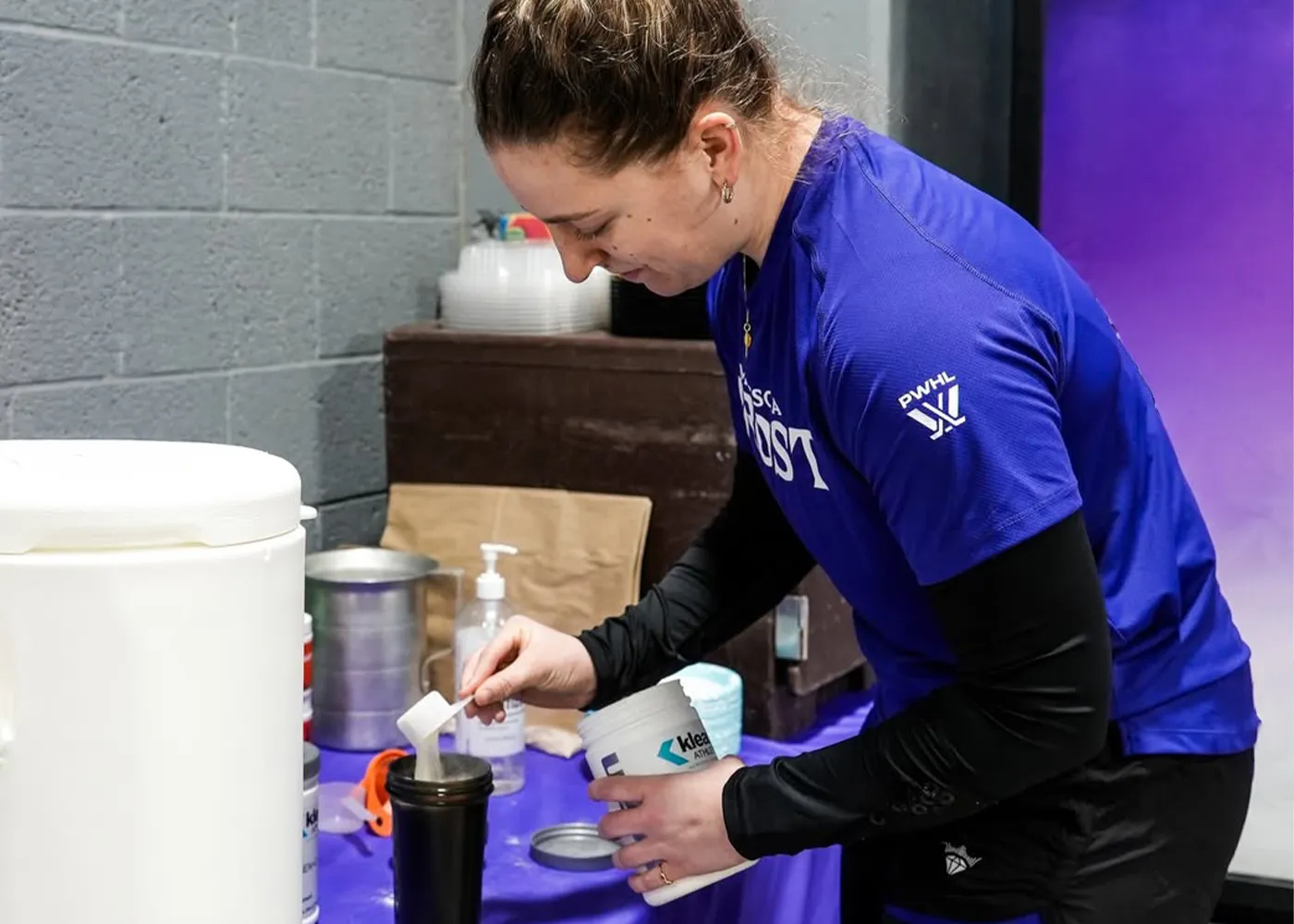
That could mean a runner explaining the products that actually make it into her training bag, a basketball player sharing her holiday favorites, or a Paralympian demonstrating how a product fits into her everyday routine.
The creative doesn't have to be complicated. It has to be useful, believable, and relevant to the person sharing it.
There's Still Time to Make Holiday Marketing More Human
With the holiday shopping season underway, brands may not have time to develop an elaborate sponsorship campaign from scratch.
But a focused athlete partnership can still be worth exploring.
An athlete-curated gift guide, a practical product demonstration, or a short series of genuine recommendations could give consumers something useful at a moment when they're actively looking for purchase inspiration.
For marketers planning their 2027 strategies, the larger lesson extends well beyond the holidays.
Content production is becoming easier, faster, and more accessible. Attention, trust, and cultural relevance are not.
Women's sports offers brands an opportunity to invest in all three, through partnerships with athletes whose stories and communities already give people a reason to pay attention.
In a world where almost anyone can create more content, the people behind it might be the most important part of the strategy.
WORK WITH PARITY
Level up your brand with partnerships, values-aligned initiatives and expert guidance.

